
Hard-surface running guide
Shock Absorbing Running Shoes for Concrete and Asphalt
Concrete sidewalks, asphalt roads, and paved paths can make daily miles feel repetitive and harsh. The right running shoe should soften the landing feel, keep the ride stable, and stay breathable enough for regular use.
This guide is educational and not medical advice. Running shoes can support comfort and impact feel, but they cannot diagnose, treat, or prevent injury.
Why hard surfaces feel demanding
Concrete and asphalt are consistent surfaces, which makes them convenient for daily running. The tradeoff is that they do not give much underfoot. Over a run, your body repeats thousands of similar landings on a firm surface.
That is why many road runners look for shock absorbing running shoes. The goal is not simply a softer shoe. The better goal is controlled cushioning: enough foam to reduce harshness, enough stability to keep the foot centered, and enough flexibility to move smoothly into toe-off.
Shock absorption starts with responsive foam
A responsive midsole helps take the edge off repeated landings. When foam compresses under load and rebounds without feeling mushy, the shoe can feel protective while still letting the stride move forward naturally.
For concrete and asphalt, avoid judging cushioning only by thickness. A very soft platform can feel pleasant at first but unstable later. A better daily trainer balances softness, rebound, and control so the ride stays predictable after the first mile.
Stability makes cushioning more useful
Shock absorption is less effective if the shoe wobbles under the heel or twists through the middle. A stable heel counter, guided midsole shape, and secure midfoot fit help keep the landing consistent on sidewalks and roads.
This does not mean every runner needs a motion-control shoe. Many runners need a neutral, stable daily shoe that feels centered and secure without becoming stiff. The shoe should help you relax into the run instead of forcing you to manage every landing.
Fit affects how impact feels
A shoe can have good foam and still feel wrong if the fit is off. Heel slip, tight forefoot pressure, or cramped toes can change how each step feels. For hard-surface running, those small fit issues repeat quickly.
Look for a secure heel, comfortable midfoot hold, and enough forefoot room for natural toe movement. If you are between sizes, compare your foot length with the OPTCLA size guide before ordering.
Breathability matters for everyday road use
Road running shoes often become all-day shoes: morning runs, walking, errands, travel, and standing. Breathable mesh helps reduce heat buildup during longer wear, especially in warmer North American climates.
A cooler upper can also help the shoe feel less restrictive as your feet warm up. For daily comfort, breathability and cushioning should work together, not compete.
Concrete vs asphalt: what to prioritize
Concrete often feels firmer and less forgiving. Asphalt can feel slightly smoother, but longer road runs still create repetitive impact. For both surfaces, prioritize the same core features: responsive cushioning, stable support, secure heel hold, breathable materials, and enough toe room.
If most of your miles happen on sidewalks, choose a shoe that feels stable during walking as well as running. If most miles are on asphalt roads or paved paths, pay attention to smooth transitions and how the shoe feels after a longer easy run.
How OPTCLA AeroMax Runner supports hard-surface comfort
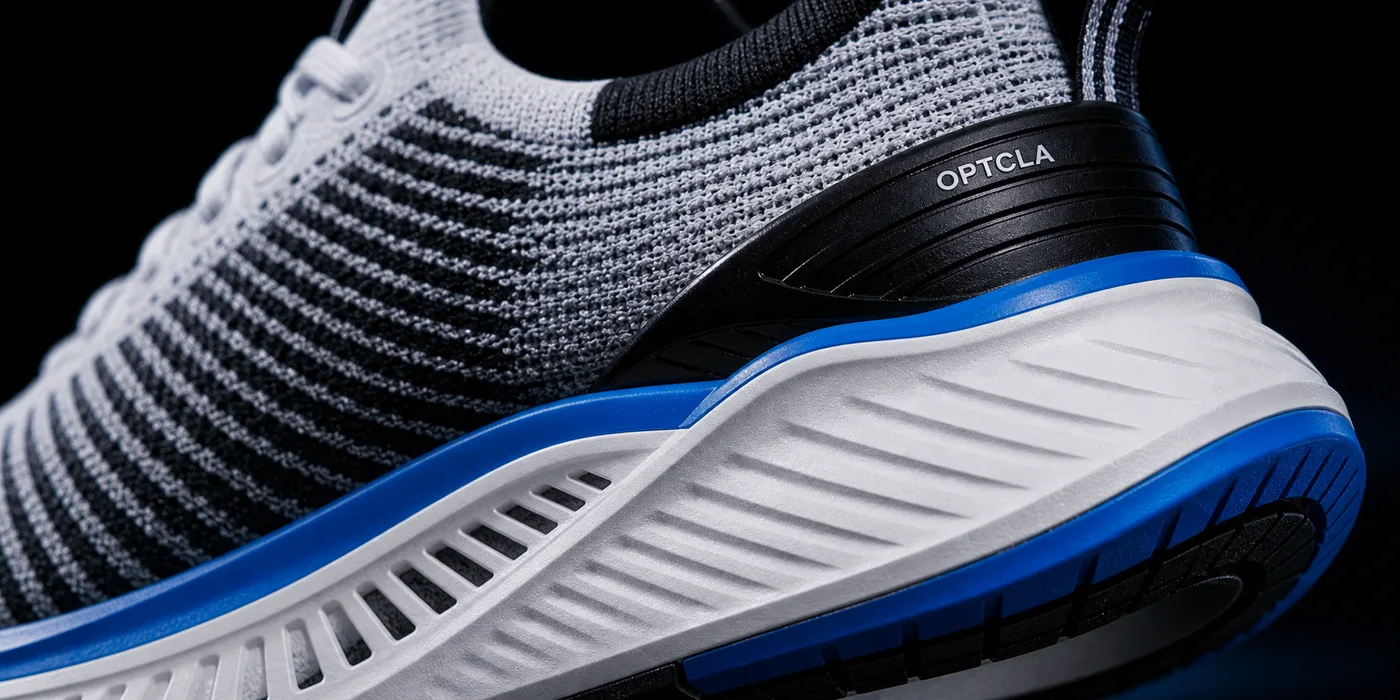
OPTCLA AeroMax Runner is built for daily road-running comfort: a responsive foam platform for softer landings, breathable mesh for longer wear, a stable heel structure, and a roomy front fit for natural toe movement.
It is designed for runners and active customers who want one reliable shoe for pavement miles, walking, and everyday movement. Choose your preferred color, confirm your size, and checkout securely with Stripe or PayPal.
Buying checklist for hard-surface running shoes
- Choose responsive foam that feels cushioned but controlled.
- Check heel security before judging softness.
- Make sure the midfoot feels held without overtightening the laces.
- Leave enough forefoot room for natural toe movement.
- Use breathable mesh if the shoe will also be worn for walking or errands.
- Review shipping, returns, and size guidance before buying online.
Built for concrete, asphalt, and daily miles.
OPTCLA AeroMax Runner combines responsive cushioning, breathable comfort, stable heel support, and secure Stripe or PayPal checkout.
Choose Size and Color Read Pavement Impact GuideFAQ
What makes a running shoe feel shock absorbing on concrete?
A shock absorbing road shoe usually combines responsive cushioning, stable midsole geometry, heel security, and enough forefoot room so the foot can move naturally through repeated landings.
Is concrete harder on running shoes than asphalt?
Concrete often feels less forgiving than asphalt because it is very firm. Many runners choose well-cushioned, stable daily trainers for sidewalks, paved paths, and mixed hard-surface routes.
Can shock absorbing shoes prevent knee pain?
No shoe can guarantee pain or injury prevention. Shoes can improve comfort and landing feel, but training load, recovery, strength, running form, and individual biomechanics also matter.