
Concrete comfort guide
Best Shoes for Concrete Floors and Sidewalks
Concrete floors and sidewalks are common in daily life: warehouses, retail spaces, airport terminals, city blocks, parking lots, and long errands. The best shoes for these surfaces should cushion repeated steps, stay stable underfoot, breathe through long wear, and fit securely without squeezing the forefoot.
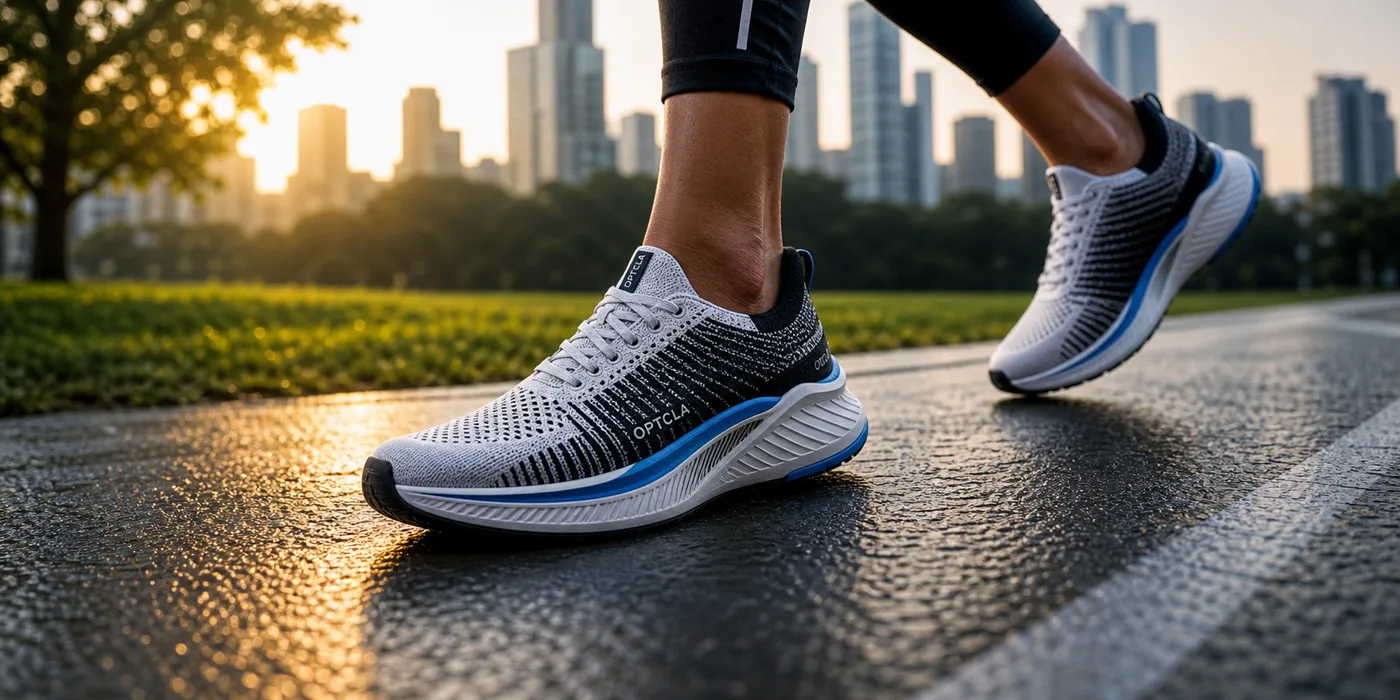
This guide is educational and focused on comfort and fit. Shoes can affect landing feel and daily comfort, but they are not medical devices and cannot guarantee injury prevention.
Why concrete feels different from softer surfaces
Concrete does not compress much underfoot. That makes every step feel more direct, especially when you are standing or walking for several hours. Sidewalks, indoor concrete floors, and paved shopping areas can create the same repeated hard-surface feel even when you are not running.
For this reason, the best shoes for concrete floors are usually not thin casual sneakers. They need a stronger comfort system: responsive cushioning, a stable base, a secure heel, breathable materials, and enough room up front for natural toe movement.
Look for cushioning that stays controlled
Softness matters, but it should not be the only buying point. A shoe that feels very plush during the first few steps can become unstable if the foam sinks too much. For concrete and sidewalks, controlled cushioning is usually more useful than exaggerated softness.
Responsive foam helps soften repeated steps while keeping transitions smoother. If your daily routine includes walking, standing, and occasional running, choose a cushioned daily trainer rather than a shoe built only for short casual wear.
Stability reduces wasted movement
On hard surfaces, a shoe that rolls, twists, or slips can make long wear feel more tiring. Stable heel structure and a guided midsole shape help the foot stay centered. This is especially important when you are turning corners, standing in lines, or walking on uneven sidewalk sections.
The goal is not a stiff shoe. The better goal is a stable shoe that still flexes naturally through the forefoot and feels easy to wear throughout the day.
Breathability keeps long wear more comfortable
Concrete-floor shoes often stay on for full workdays, travel days, or long errand blocks. Breathable mesh helps reduce the hot, trapped feeling that can build up during indoor-outdoor movement.
For warm climates or active daily routines, airflow is part of comfort. A breathable shoe with proper structure can feel more useful than a heavily padded shoe that traps heat.
Forefoot room matters more after several hours
A cramped toe area can become more noticeable late in the day. Feet may feel slightly fuller after hours of walking or standing, so the front fit should leave enough space for natural toe movement without making the shoe loose.
Before ordering online, compare your regular running shoe size with the OPTCLA size guide. If you are choosing between two sizes, think about how you will use the shoe: short walks, long standing periods, travel, or daily pavement miles.
Concrete-floor shoe checklist
| Need | What to choose | Why it matters |
|---|---|---|
| Long standing | Controlled cushioning and stable heel support | Helps the shoe stay comfortable and steady over time |
| Sidewalk walking | Responsive foam and smooth transitions | Softens repeated pavement contact without feeling slow |
| Warm wear | Breathable mesh upper | Helps reduce trapped heat during long wear |
| Toe comfort | Roomy forefoot with secure midfoot hold | Gives toes space without heel slip |
| Online buying | Clear size guide, secure payment, and 30-day returns | Reduces hesitation before checkout |
Where OPTCLA AeroMax Runner fits
OPTCLA AeroMax Runner is built for daily hard-surface comfort. The responsive foam platform helps soften repeated steps on concrete, sidewalks, and asphalt. The engineered mesh upper supports airflow. The heel structure helps keep the foot secure, and the roomier front fit gives toes more natural space during long wear.
It is a practical choice if you want one shoe for walking, standing, errands, travel, and easy road-running routines. You can choose your size and color, then checkout securely with Stripe or PayPal.
Before you buy shoes for concrete
- Do not choose by softness alone; check stability and heel security.
- Make sure the toe area has enough room for long wear.
- Choose breathable materials if the shoe will be worn all day.
- Review shipping, 30-day returns and exchanges, and support before ordering.
- Use a secure checkout method such as Stripe card payment or PayPal.
Ready for concrete floors, sidewalks, and daily miles.
OPTCLA AeroMax Runner combines responsive cushioning, breathable comfort, stable heel support, a roomier front fit, secure Stripe and PayPal checkout, and 30-day returns.
Choose Size and Color Read Buying GuideFAQ
What shoes are best for concrete floors and sidewalks?
The best shoes for concrete floors and sidewalks usually combine responsive cushioning, stable heel support, breathable materials, and enough forefoot room for long hours of standing or walking.
Are running shoes good for standing on concrete?
Many running shoes work well for standing on concrete when they offer controlled cushioning, secure fit, and stable support. Very soft shoes may feel comfortable at first but can feel less steady over long hours.
Should concrete-floor shoes be soft or supportive?
They should balance both. Softness helps reduce a harsh underfoot feel, while support and stability help the shoe remain comfortable during repeated steps, turns, and long standing periods.